
Carter County Multi-Day Arrest Reports
Start with the Carter Zuercher reports route, the official source. Pick a Recent, weekly, or wider range from the live Report Date control. Then use the Agency and Report Title filters. There is no fixed static weekly URL. The wider blotter is a filtered view of that same official portal.
Why go multi-day? Approval can lag the event by days. Weekends also dump several dates at once, and comparing prior stretches becomes simple. Each entry can show a report title, report date, agency, and a document link. The directory states it plainly. The list is not name searchable. It promises no archive depth, no roll-off rule, and no fixed publication day.
Reports can land unevenly around weekends and holidays, and Carter County promises no catch-up schedule.
Read the Carter Blotter Carefully
Work from the date range down. Every layer answers a different question. The portal list, an opened report, the roster, and the court docket each mark a distinct stage, so blending them without labels can turn a reported incident into a claim about custody it never made.
- Open the official reports route and expand Report Date beyond the same-day setting.
- Choose Carter County Sheriff under Agency and narrow the Report Title when possible.
- Open each relevant report and note its report date, event date, and agency.
- Check the Sheriff roster only if present custody or a booking photo matters.
- Use the Circuit Court docket to follow the charge after booking.
- Request an older report when the portal’s visible range no longer reaches it.
A CFS result sits in the calls-for-service layer. It can list a call date, incident code, street, status, disposition, beat, zone, agency, number, and responding units. Those fields describe dispatch activity, never an arrest-log entry. Confirm arrest facts through the roster or court record.
Carter Arrest-Report Entry Fields
The report list is thinner than a booking record. Its job is simple: locate a report by date, category, and agency. A linked document may hold more incident facts, though content varies from case to case. For photos, use the official roster instead.
| Entry element | How to interpret it |
|---|---|
| Report title | The published category or event label. |
| Report date | The date attached to the portal entry. |
| Agency | The office identified as the report source. |
| Document link | The portal endpoint for the report. |
| Charge wording | An charge if stated, not a conviction. |
| Photo | Not shown in the report-list view. |
The Zuercher inmate route works differently. It has offered name, race, sex, cell block, arrest date, held-for agency, in-custody date, and release-date filters, with mugshots and custody details in the results. Don't credit those fields to every report. For a full booking record, ask the custodian for the booking fields tied to the event.
Weekend Carter Arrest Posting
No Carter source promises that weekend arrests surface Monday. None guarantees holiday updates or a fixed posting hour. Report approval, administrative entry, and syncing all add lag, which makes the multi-day window more useful than a single-date view. Compare the event time with the report date. Never assume the two match. A wider range also cuts the odds of missing a late-added report. It still certifies nothing. A person can be arrested by a city, state, or federal agency, booked in another county, released before any roster search, or tied to an incident whose category slips past your filter. So identify both the agency and the jail. For the shortest official window, use Carter County Arrested Today. That page handles immediate lag and confirmation. This multi-day view handles batching, comparison, news coverage, and older records.
Carter Reports and Dispatch Calls
For context, check the calls-for-service route first. A dispatch number, incident code, street, unit, or recorded disposition can add real background. It cannot prove anyone was taken into custody. On a dispatch screen, "disposition" means how the call was handled, not a criminal case outcome. The official CFS interface shows that screen directly.
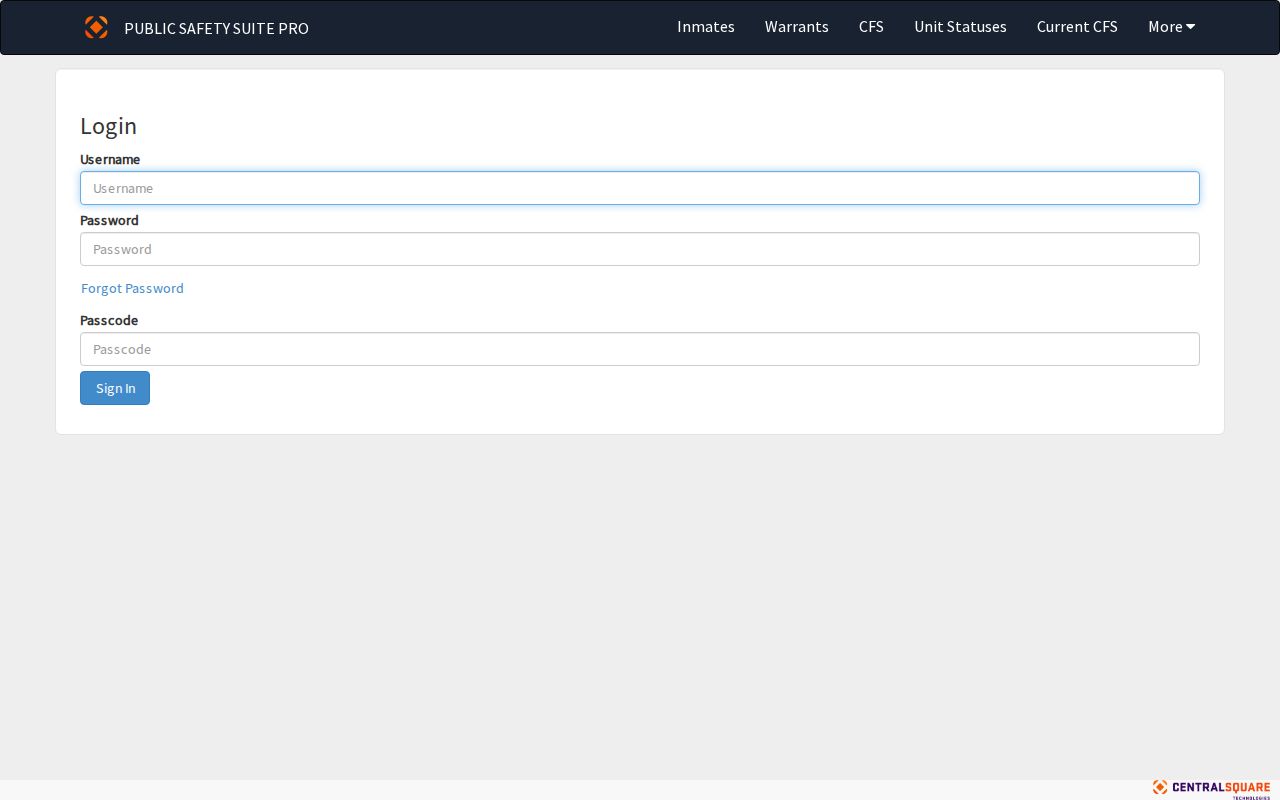
Pair the CFS screen with a booking source first. A court record works too before anyone calls an incident an arrest. Carter County 911 also takes requests for CAD incidents, and it says audio can be released for court cases or officer investigations. Send dispatch requests to that custodian. Route jail records to the Sheriff or county coordinator.
Elizabethton Star Arrest Digest
For a readable secondary blotter, the Elizabethton Star arrest section leads the field. Its stories group Carter County Sheriff reports across several prior dates. Names, locations, charges, bond details, and mentions of the Carter County Detention Center often appear. Some items ran on weekday mornings, but that is a habit, not a schedule. Editors select, combine, and summarize. The Star reads far easier than a raw portal list. It is not complete or real time. Photos are not guaranteed. Story art can stand in for a booking image. Check names and status against the Sheriff and courts. The local arrests section shows the paper's own category page.
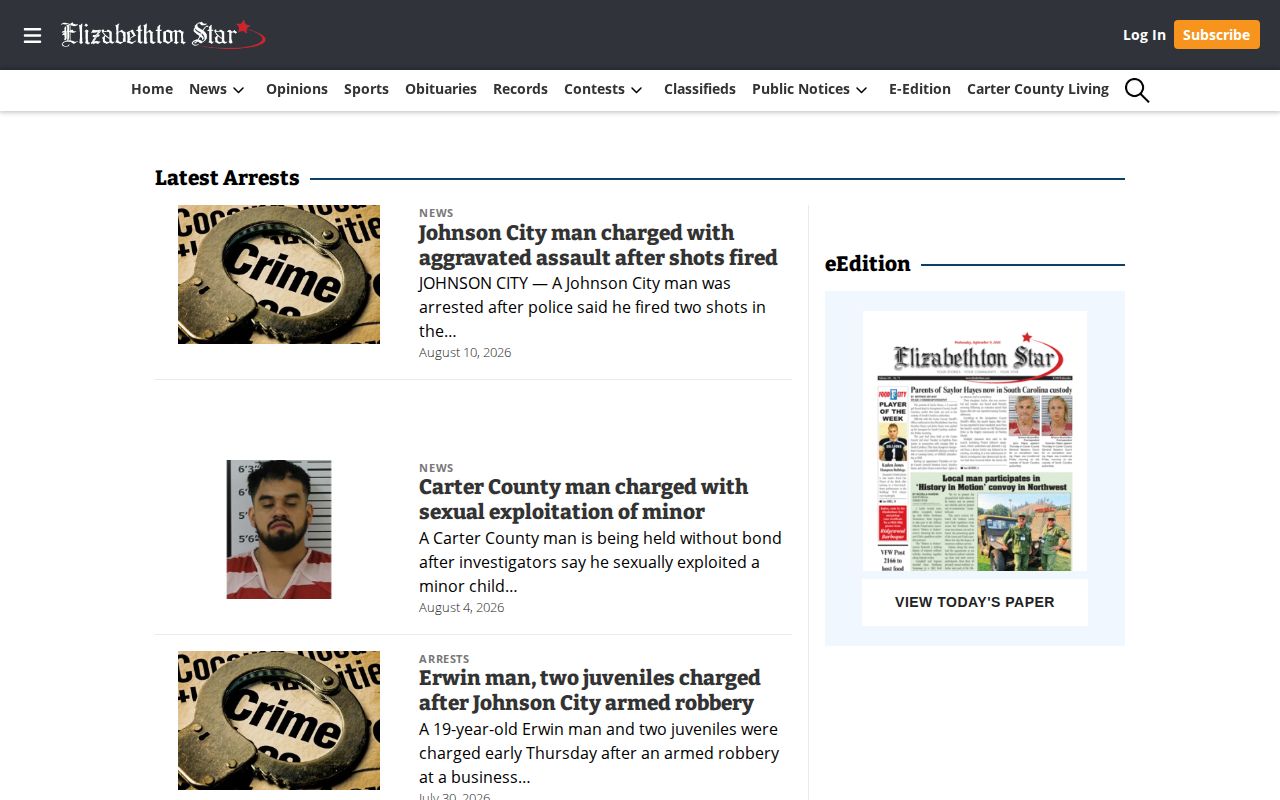
The digest is editorial convenience, never a replacement for the portal or roster.
Other Carter Arrest News
Local television picks up some Carter County arrests, but only some. WCYB, WJHL, and WVLT report on fugitive roundups and notable arrest events when they happen. Their stories lean on the Sheriff, TDOC, or another named agency for the facts. Photos often come straight from those agencies. The coverage is selective. A story never appearing says nothing about whether an arrest happened.
Commercial mugshot sites take a different approach. RecentlyBooked, Mugshots.com, Arrests.org, and Mugshots.zone all gather Carter material. RecentlyBooked promotes frequent refreshes and search tools. Mugshots.com skews historical, while Arrests.org varies in availability. Mugshots.zone discloses little about its sources. Copies can linger after the official roster changes. For a selective regional source, try the WCYB local news route.
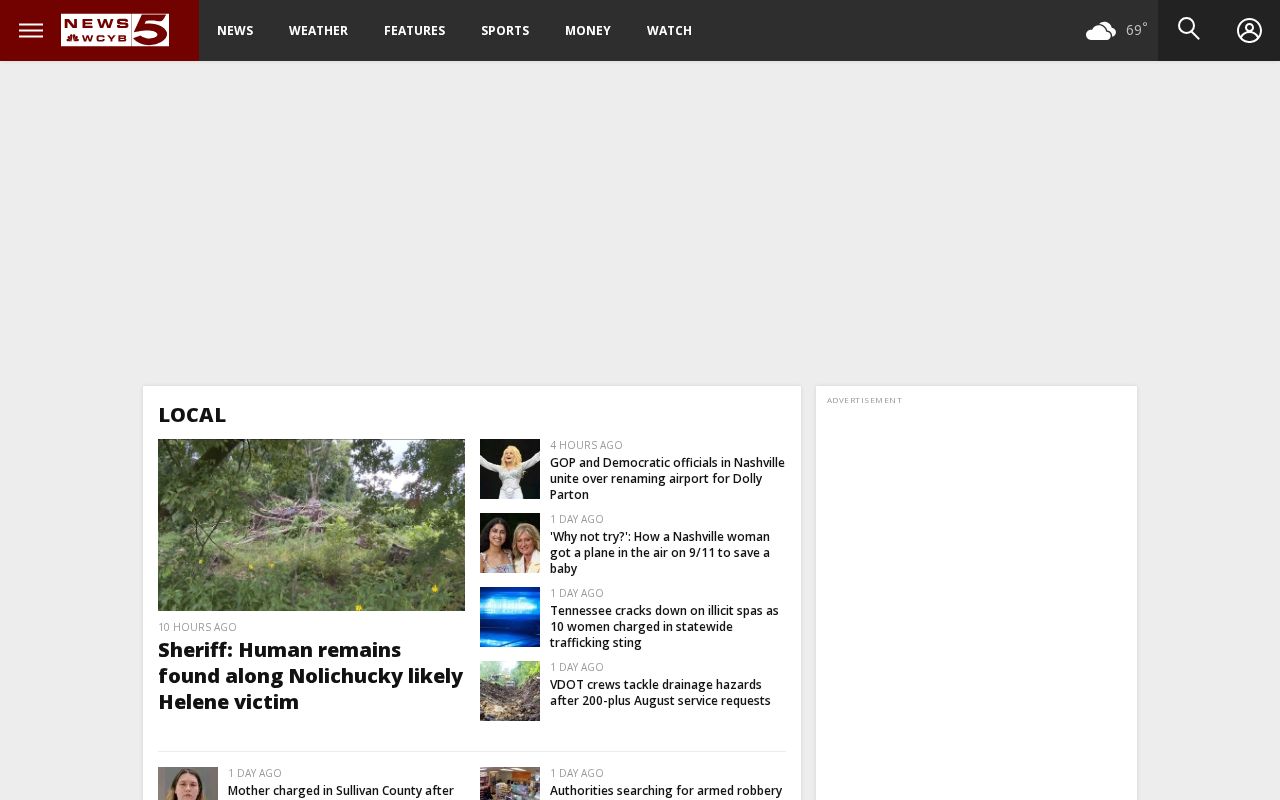
Anchor any news item to its date and source, then check the official record and court status.
Older Carter Arrest Archives
The portal publishes no statement about archive depth. Older arrest results may fall outside its default window. Choosing a custom date range can bring them back. The live roster works even worse as an archive, since it tracks current custody only. When a report vanishes from view, the Sheriff request route or the county public-records coordinator is the next step.
A precise records request helps. Ask for the Carter County Detention Center booking log, arrest case file, jail register, and booking photograph tied to a full name and date range. Add the arresting or holding agency plus any report, booking, or case number. It also pays to ask whether the item was digitized, microfilmed, transferred, or destroyed under an approved schedule. Request the series or archive location too.
The CTAS sheriff retention schedule treats arrest files, booking logs, jail registers, and photo files as separate categories. It sets a statewide management baseline. It does not prove what Carter puts online. A roster entry can disappear while the underlying arrest record stays legally retained. Tennessee State Library and Archives matters for identified historical state-prison collections, not for assumed county mugshots.
An old blotter entry still marks a real record worth requesting.
From Carter Report to Court
Tracking a report forward starts with the Carter County Circuit Court Clerk. General Sessions and Circuit Criminal run as separate paths. A case may be bound over from one to the other. Monthly docket PDFs list case numbers. Each line carries a procedural label like continued, dismissed, capias, bond, or attorney appearance. The online case search fails in some sessions. The clerk's phone and those docket PDFs serve as the official fallbacks.
The clerk sits at 900 East Elk Avenue, Suite 906, Elizabethton, TN 37643, phone 423-542-1835. Search by exact name and case number when you have both. Then separate a hearing entry from a final judgment. One caution deserves a note. A missing roster entry does not mean a charge was dismissed.
- Blotter
- A chronological report list or editorial digest.
- Booking record
- The jail’s intake record for one custody event.
- Capias
- A court-issued order directing that a person be taken into custody.
- Disposition
- The court’s result or recorded procedural outcome.